
Timelapse videos have become a fascinating and popular medium in today’s digital age, captivating audiences worldwide with their ability to condense time and reveal the world’s hidden beauty. This comprehensive guide aims to delve deeper into the world of timelapse videos, exploring their meaning, highlighting differences from conventional videos, providing detailed insights into their creation techniques, discussing the ideal duration for maximum impact, and showcasing a myriad of applications across various domains. Whether you’re planning your first shoot or refining an existing workflow, understanding professional Timelapse video production is the first step toward creating footage that truly stands out.
Table of Content
What is a TimeLapse Video?
At its core, a timelapse video is a cinematic technique that masterfully captures a series of individual photos at predetermined intervals and then seamlessly assembles them into a mesmerizing video clip. The result is a high-speed visual representation that unveils events or processes that evolve slowly over time. Unlike standard videos that document scenes in real-time, timelapse videos perform a magic trick, compressing extended timelines into short, visually engaging narratives.
Key Differences from Regular Videos
To better grasp the essence of timelapse videos, it’s essential to highlight the key differences that set them apart from their traditional counterparts.
- Time Compression (Unveiling the Magic of Time): The most significant distinction is the astonishing time compression factor. Timelapse video have the magical ability to condense hours, days, or even years into a brief video clip. This remarkable feature makes them ideal for showcasing processes that occur gradually, such as a flower blooming, a skyscraper’s construction, or the Earth’s rotation.
- Frame Rate (A Delicate Dance): In the world of conventional videos, the frame rate typically hovers around 24 to 30 frames per second (fps), faithfully mirroring real-time motion. In stark contrast, timelapse videos utilize a significantly lower frame rate. These videos capture frames at strategic intervals, such as one frame per second, to create a hyper-realistic, visually captivating effect.
- Smooth Transitions (Crafting the Illusion): Timelapse videos often boast impeccably smooth transitions between frames, adding an extra layer of enchantment to the viewer’s experience. These seamless transitions are achieved through various advanced techniques, including gradual blending or the use of motorized camera sliders, which mimic the gentle movement of the human hand.
Achieving these effects at a professional level also involves cost considerations around equipment, location, and post-production time. If you’re mapping out a project, our Video Production Cost Estimator Tool For Budget can help you get a clearer picture before you begin.
Creating TimeLapse Videos
Creating a visually stunning timelapse video requires not only creative vision but also meticulous planning and the right equipment. Here’s a step-by-step guide on how to bring your timelapse masterpiece to life:
Extend your understanding with Hyperlapse Timelapse Difference
Equipment and Tools: Assembling Your Arsenal
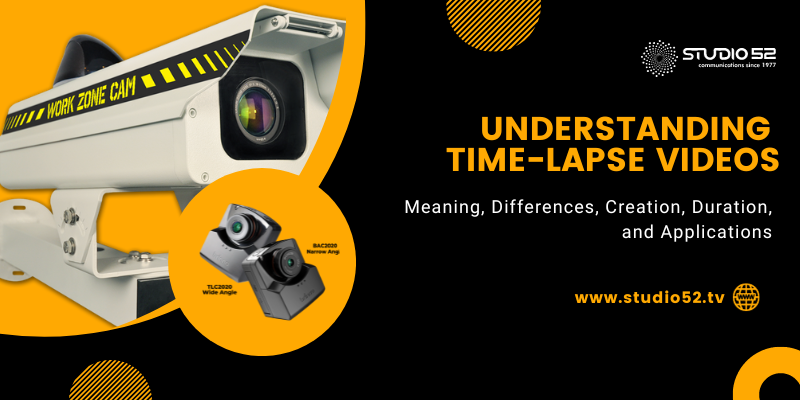
- Camera Selection: Begin with choosing a high-quality DSLR or mirrorless camera equipped with manual settings. These features are essential to provide precise control over exposure and focus.
- Sturdy Tripod: Stability is paramount in timelapse photography. Invest in a robust tripod to eliminate the risk of a camera shake during the shooting process.
- Intervalometer: This nifty device allows you to set the time intervals between shots, a critical aspect of achieving perfect timelapse sequences.
- Optimal Lighting: While natural lighting is often preferred, artificial lights can be used creatively to enhance your scene’s ambiance.
Steps to Make TimeLapse Video: Crafting Magic Through Patience
Select Your Subject: The heart of any compelling timelapse video is its subject. Choose a scene or event that undergoes noticeable changes over time. This could be a breathtaking sunset, a bustling cityscape, or any captivating process unfolding before your lens.
- Set Up Your Camera: Mount your timelapse camera securely on your tripod, ensuring it is level and steadfast.
- Adjust Camera Settings: Dive into the world of manual mode on your camera. Adjust exposure settings, focus, and white balance meticulously. Ensuring consistency across all frames is the key to a flawless timelapse sequence.
- Compose Your Shot: As you frame your shot, keep in mind the composition rules and the final video’s intended aspect ratio. Your composition sets the stage for the visual story you wish to tell.
- Set Interval and Duration: Utilize your trusty intervalometer to specify the time intervals between shots and the overall duration of the timelapse. This step is pivotal in achieving the desired pace for your narrative.
- Start Shooting: Activate the timelapse sequence and allow your camera to work its magic, capturing images at the intervals you’ve meticulously defined.
- Post-Processing: After concluding the shooting phase, transfer the captured images to your computer. Here, you’ll employ video editing software to artfully weave them into a seamless timelapse video. This is where you refine your video by adjusting colors, adding music, and applying effects.
Getting from concept to a polished final render is as much about planning as it is about execution — for a closer look at how the two come together on real productions, check out Timelapse Video Production Bridging Planning Execution
Ideal Duration for Timelapse Videos
The optimal duration of a timelapse video hinges on the subject matter and the story you aim to convey. Short timelapse clips, spanning 10 to 30 seconds, are perfect for quick, impactful sequences. Longer timelapse videos, from minutes to hours, are ideal for capturing extended processes and showing the passage of time.
Applications of Timelapse Videos
The versatility of timelapse videos transcends boundaries, finding applications in various fields. Here’s a glimpse into the diverse domains where timelapse videos shine:
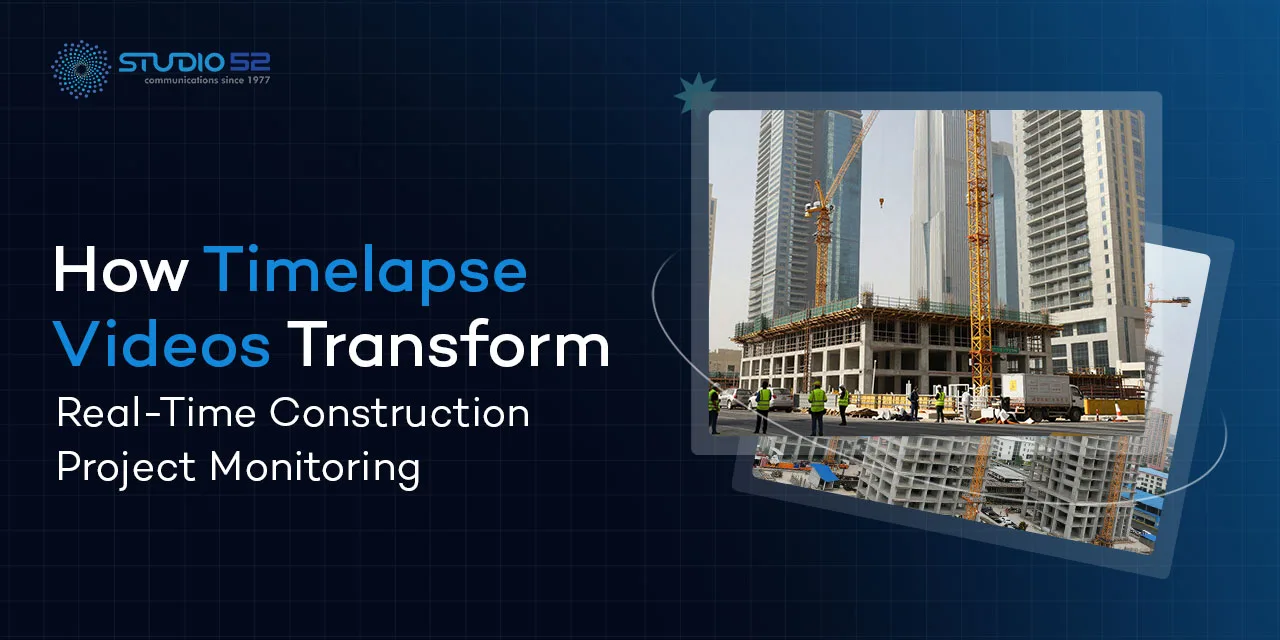
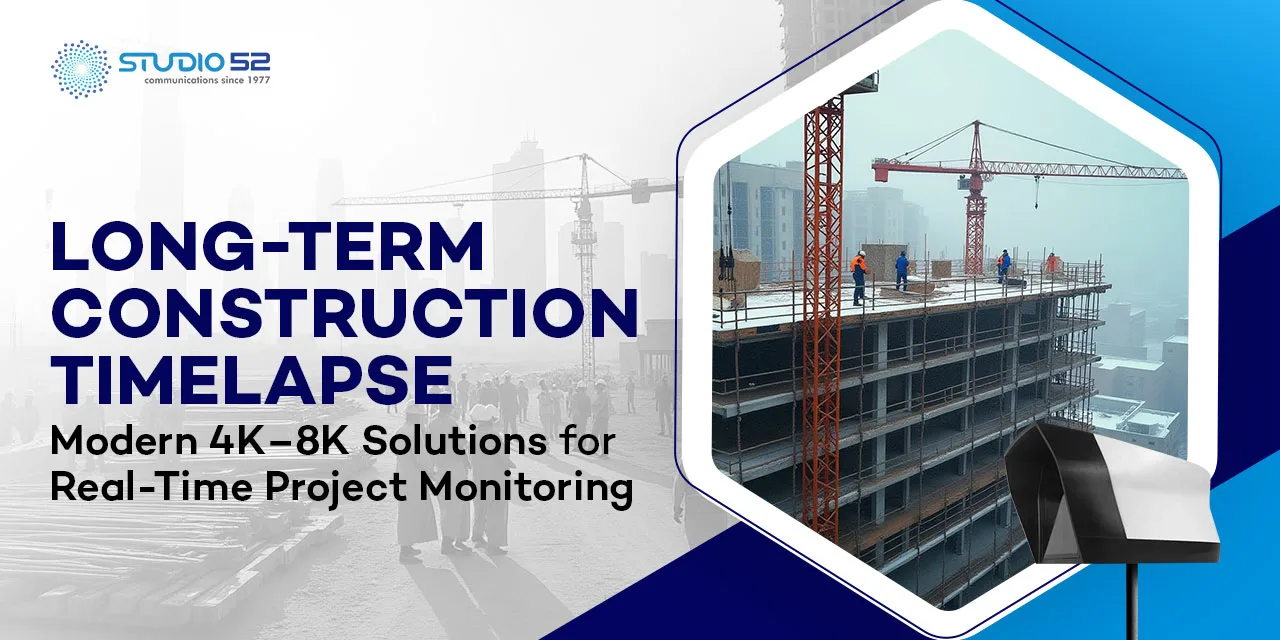
- Construction and Architecture (Building Legacies): Architects, builders, and project managers harness the power of timelapse videos to document the evolution of construction projects. These videos serve as invaluable records, offering insights into every phase of development. Simultaneously, they provide a captivating medium to showcase the impressive birth of architectural wonders, from foundations to skyscrapers. For real-world examples of this in action, take a look at these Incredible Construction Timelapse Videos
- Nature and Wildlife (A Glimpse into the Wild): In the realm of nature photography, timelapse videos bring the natural world to life in unprecedented ways. From blooming flowers to migrating animals, these videos reveal subtle changes in our environment. They highlight the dynamic beauty of our planet.
- Astrophotography (Dance of the Cosmos): Timelapse techniques extend their reach to the realm of astrophotography. Capturing the celestial dance of stars, planets, and galaxies, these videos reveal the mesmerizing movements of the cosmos. They unveil the breathtaking beauty of the night sky in a manner that transcends conventional stargazing.
- Marketing and Promotion (Engaging Audiences): Businesses and marketers have recognized the power of timelapse videos in engaging their audiences. Whether it’s showcasing the meticulous preparation of a sumptuous meal in a restaurant or the rapid setup of an enticing trade show booth, timelapse videos spark curiosity and create a buzz. They have become a compelling tool for branding and promotion. To see how brands are putting this to work, check out Timelapse Videos In Marketing Elevate Your Corporate Brand
Conclusion
In conclusion, Studio52 timelapse videos are an enchanting form of visual storytelling that holds the magic to condense time and unveil the world’s hidden wonders. By understanding its meaning, creation, duration, and applications, you can unlock the full potential of timelapse videos. With the right tools and knowledge, you’re ready to create stunning timelapse videos that captivate your audience.
Discover the true meaning of timelapse videos and start creating visually stunning stories today.