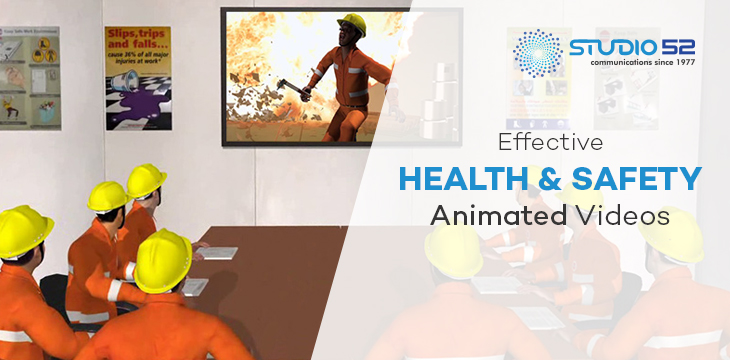

Workplace safety is no longer just a regulatory requirement—it is a core business responsibility and a defining factor of organizational culture. Across industries, companies are recognizing that traditional safety manuals and one-time training sessions are not enough to address modern workplace risks. This is where health and safety videos are transforming the way organizations educate, engage, and protect their workforce.
From warehouses and construction sites to corporate offices and high-risk environments like oil and gas facilities, visual safety communication has become one of the most effective training tools available today. Partnering with a professional health and safety animation company allows businesses to deliver consistent, engaging, and impactful safety messages that employees actually remember.
In this blog, we’ll explore what health and safety videos are, why they are critical, how to create them effectively, and how animated safety videos are reshaping the future of workplace training.
Table of Content
What Are Health and Safety Videos?
Health and safety videos are structured visual training tools designed to educate employees about workplace hazards, safe work practices, emergency procedures, and compliance requirements. They can range from live-action demonstrations to animated explainer videos produced by a specialized health and safety video company.
These videos are commonly used for:
- Employee onboarding
- Ongoing safety training
- Compliance and regulatory education
- Hazard identification and prevention
- Emergency response preparation
Unlike written manuals, health and safety training videos use visuals, motion, and storytelling to simplify complex safety concepts and ensure consistent communication across teams.
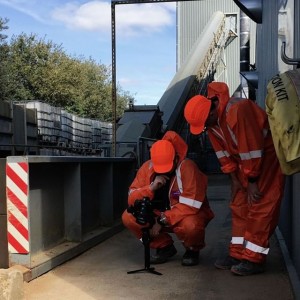
Why Health and Safety Videos Are Critical for Workplace Safety
Workplace accidents often occur not due to lack of rules, but due to lack of understanding, engagement, or retention. This is where workplace health and safety videos make a measurable difference.
Improved Knowledge Retention
Studies consistently show that people retain visual information far better than text-based instructions. Safety videos help employees remember procedures long after training sessions end.
Consistent Safety Messaging
Health and safety videos in the workplace ensure that every employee receives the same standardized information, eliminating gaps caused by different trainers or shifts.
Reduced Incidents and Costs
By reinforcing correct behaviors and hazard awareness, organizations can significantly reduce workplace injuries, downtime, and compensation claims.
Compliance and Documentation
Regulatory bodies often require proof of training. Safety videos provide documented, repeatable evidence of compliance.
Accessibility Across Locations
For companies with multiple locations or remote workers, videos allow safety training to be delivered consistently at scale.
How to Make a Great Health and Safety Video for Your Company
Creating an effective safety video requires more than recording instructions. Successful organizations often work with a professional health and safety animation agency to ensure quality and compliance.
Step 1: Identify the Training Objective
Define what the video needs to achieve—accident prevention, procedural training, or hazard awareness.
Step 2: Understand Your Audience
Warehouse workers, oil rig technicians, and office staff all face different risks. Tailor the language, visuals, and scenarios accordingly.
Step 3: Choose the Right Format
Decide between live-action, animation, or a hybrid approach. Many companies now prefer animation for its clarity and flexibility.
Step 4: Keep It Clear and Engaging
Avoid technical jargon where possible. Use clear visuals, voiceovers, and real-life scenarios to hold attention.
Step 5: Partner with Experts
A trusted health and safety animation company understands both storytelling and regulatory requirements, ensuring accuracy and impact.
5 Reasons Why Animated Health and Safety Videos Are So Effective
Animated safety content has become one of the most powerful tools in modern training programs. Here are five key benefits of health and safety animation:
1. Simplifies Complex Information
Animation can visually explain machinery operations, chemical hazards, or emergency procedures that are difficult to demonstrate safely in real life.
2. Safer Than Live Demonstrations
High-risk scenarios can be shown without exposing employees to actual danger.
3. Highly Engaging
Animated characters, motion graphics, and storytelling capture attention better than static presentations.
4. Cost-Effective Over Time
Once created, animated videos can be reused, updated, and scaled across departments and locations.
5. Universally Accessible
Animations overcome language barriers and are ideal for diverse, multilingual workforces.
This is why more organizations are turning to a professional health and safety video company to produce animated training content.
Health and Safety Videos: No More Wounds – Building a Zero-Injury Culture
A zero-injury culture is not built overnight. It requires consistent education, leadership commitment, and proactive risk communication. Health and safety videos play a vital role in reinforcing this culture every day.
When employees regularly see safety scenarios, best practices, and real consequences portrayed in videos, safety becomes a shared responsibility rather than a checklist item. Visual training helps shift mindsets from “accident response” to “accident prevention.”
Organizations that invest in effective health and safety training through video often see:
- Increased safety awareness
- Higher employee engagement
- Stronger reporting of near-misses
- Reduced incident rates
By embedding safety videos into daily operations, companies move closer to a true zero-injury workplace.
Safety Videos for the Oil and Gas Industry: A Specialized Approach
Few industries face risks as significant as oil and gas. Health and safety in the oil and gas industry requires specialized training that addresses high-risk operations, heavy equipment, hazardous materials, and extreme environments.
Why Standard Training Isn’t Enough
Generic safety training often fails to address the real-world challenges of oil and gas operations. This is why health and safety in the oil industry training must be highly specific.
How Safety Videos Help
- Demonstrate complex procedures like drilling, refining, and shutdowns
- Visualize hazardous scenarios without real-world exposure
- Reinforce compliance with international safety standards
A specialized health and safety video agency with experience in oil and gas understands industry regulations and operational realities, making videos both accurate and impactful.
Take the next step to Improve Safety in the Oil and Gas Industry with professional safety videos by Studio52. Engage your workforce, reduce risks, and ensure compliance—partner with us to build a safer, smarter workplace today.
Best Practices for Creating Effective Safety Training Videos
To maximize the impact of your health and safety training video, follow these best practices:
Keep Videos Short and Focused
Microlearning videos (3–7 minutes) are more effective than long, information-heavy sessions.
Use Realistic Scenarios
Employees relate better to situations they may actually encounter on the job.
Reinforce Key Messages
Highlight critical safety steps repeatedly using visuals and text.
Update Content Regularly
Regulations, equipment, and procedures change—your videos should too.
Measure Effectiveness
Track incident rates, feedback, and knowledge assessments to evaluate training success.
Whether it’s warehouse health and safety training or high-risk industrial operations, these practices ensure long-term effectiveness.
The Future of Health and Safety Training Videos
The future of safety training is digital, immersive, and data-driven. Advancements in animation, interactive video, and virtual reality are redefining health and safety animated videos in the workplace.
Emerging Trends Include:
- Interactive safety videos with quizzes and decision paths
- VR and AR simulations for hazard training
- AI-driven personalization of training content
- Mobile-first video learning platforms
As workplaces evolve, businesses that collaborate with a forward-thinking health and safety animation agency will stay ahead of both risks and regulations.
Conclusion
Incorporating safety training videos as a part of your industrial training is not a choice anymore, it’s mandatory in the current industry conditions. Failure to comply with OSHA’s safety requirements may make your company liable to pay a hefty amount of up to $15,625 per serious violation or $156,259 for willful or repeated violations.
Due to the constant increase in workplace accidents, the OSHA mandated guidelines and rules are getting more strict every year. To avoid potential legal issues, you should start deploying proper safety systems immediately. Start your safety initiatives by engaging with experienced safety training providers such as Studio 52.
Studio52 has over 45 years of experience providing safety training videos to several industries, including oil and gas, hospitality, aviation, and manufacturing. It has been recognized as a trusted partner in creating high-quality health and safety videos tailored to the specific needs of diverse industries. Collaborate with us to transform the safety training standards in your industry. Contact us today!