

Professional audio production plays an important role in creating clear, engaging, and high-quality sound for businesses, brands, and content creators. From recording and editing to mixing and mastering, each stage contributes to the final listening experience. Understanding these essential steps can help businesses choose the right audio production approach for voice-overs, podcasts, advertisements, corporate content, and other audio projects.
At an age of instant musical viral fame over youtube and other video streaming websites, the quality is of the recorded audio is often the deciding factor. You might have wondered why the CD you purchased off the shelf sounds much better than the hoarser recording your dad sings of the same tracks on his iPhone. How do audio engineers manage this impressive feat of turning voice into melody? Read on.
Professional acoustics. There are teams of audio engineering specialists who toil hard to make a single audio album and believe us when we it’s no easy feat. The key skill that is required in the production line is an ability to listen and to know what sounds right. At Studio52, we believe there are four pillars to a successful audio production campaign from recording the audio sample to finishing it in the high quality, peppered song that the audience would love to sing along with.
Also Read: IVR Explained: Everything You Need to Know to Create A Positive Customer Experience
Here we go.
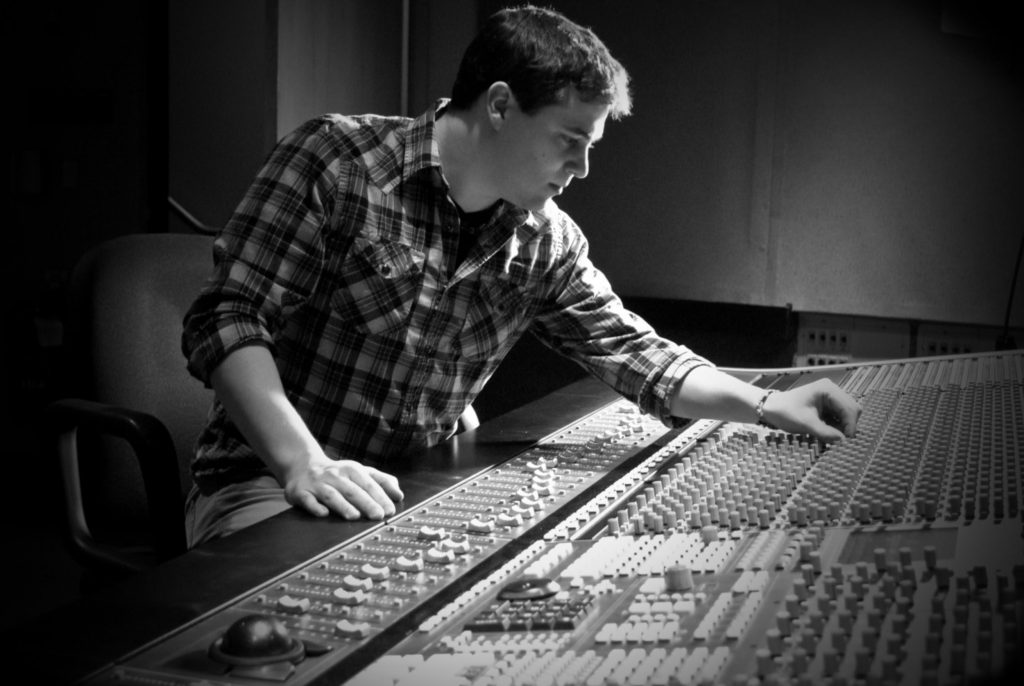
1) The first pillar is recording the audio sample. A recording engineer’s responsibility lies in verifying that the musical elements are in place and the microphones are fully functional without a hitch. They need to be proficient with DAW systems as well as know even-tone sounds. The recording rooms are padded to prevent external sound from interfering but you need to keep in check should an airplane pass overhead or there are clicks and pops which might slip in the midst of the recording session.
2) The second pillar is quality editing. This is the process where the initial recorded audio is fine tuned and edited by removing noise (background sounds, pops, unwanted clicks or any other sounds), trimming out the track and the final sample is sent to stage three elaborated down below.
3) The third pillar of audio recording is the responsibility of the mixer/ sound engineering specialist who mixes and overlays sound effects on the tracks. In the mixing stage, you get to layer all sound effects intended to go with the track and create the final edition to proceed with the launch.
4) The final pillar of a successful audio production campaign is the mastering stage. We would like to draw attention to this important stage as this is which some producers choose to wilfully ignore. The first three pillars alone are sufficient to proceed with the final launch of the audio track or commercial voice over segments, but mastering helps in additionally improving the results. The sound engineer in charge of this process ensure that the track is presented to the clients after stage three (to gain their feedback) and then provide the last finishing coat of clean cut, quality and finesse to the tracks before the final launch.
Table of Content
Why is mastering so important enough not to miss it?
The sole responsibility of the sound specialist in the mixing stage is to improve the sound of the audio by providing better quality that’s beyond the scope of the mixing machine capability and see to it that the final recording is bug-free and of top-notch quality.
We start with noise-free recording, follow with thorough editing, mix masterfully, and master for top-notch audio quality. Refine Your Sound with Studio52’s Expertise
Take Your Audio to the Next Level with Studio52
From professional recording and precise editing to expert mixing and mastering, Studio52 helps create polished audio that connects with your audience.
Ready to create high-quality audio? Connect with Studio52 today.